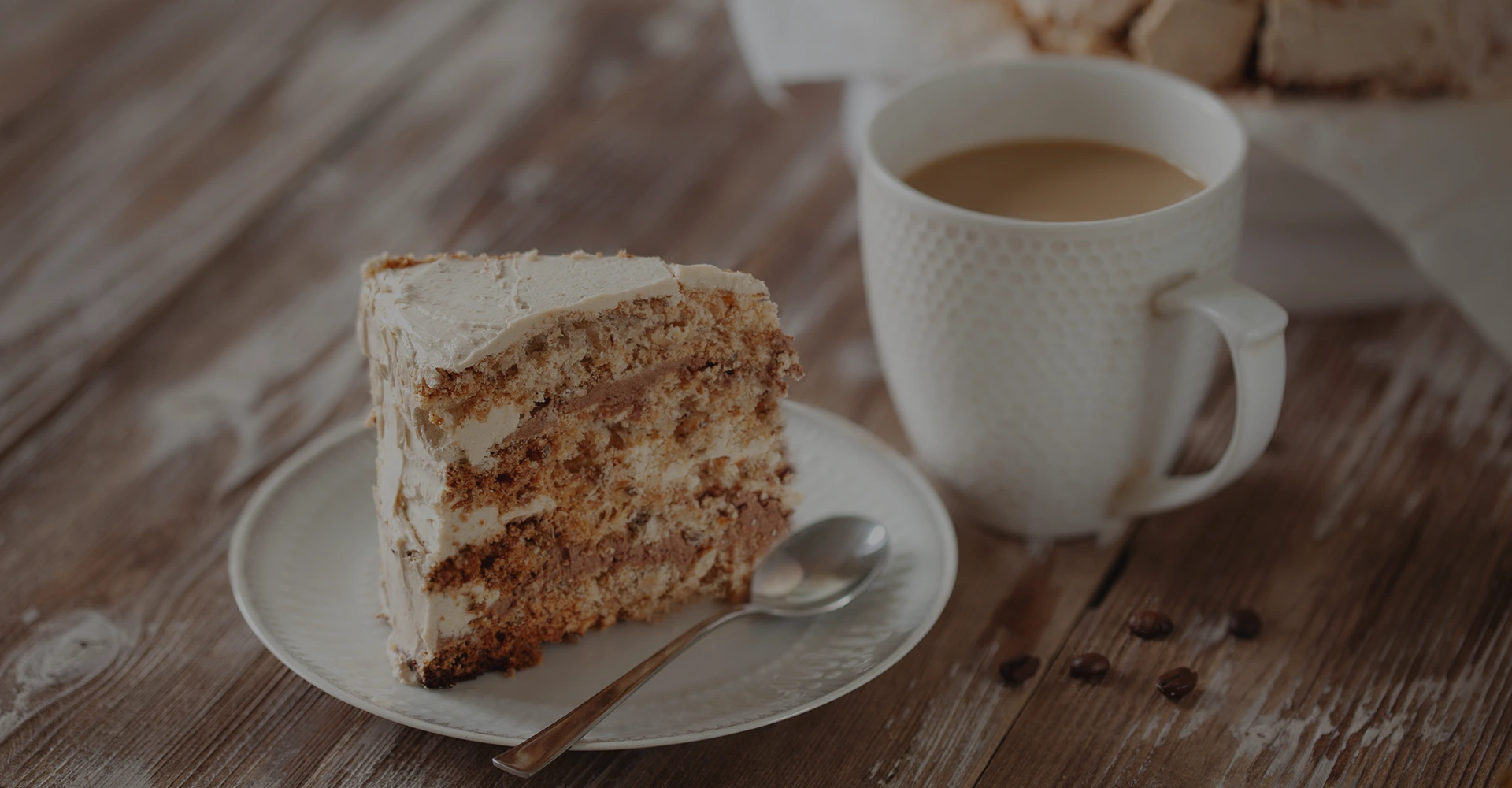
Elevating the sensory experience of coffee and pastry
Where the coffee house ritual meets the art of fine patisserie
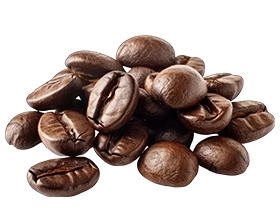
The roasting profile
Artisanal roasting transforms green beans, unlocking complex flavor profiles and aromatic notes hidden inside.
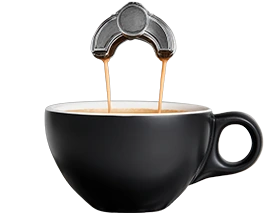
Precise extraction methods
The barista’s craft uses water temperature and pressure to dictate cup clarity, balancing acidity and body.
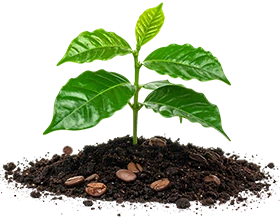
Origin and terroir
Altitude and soil composition define the unique character of each ethically sourced, single-origin coffee bean.
Mastering the science of baking
Precision in measures
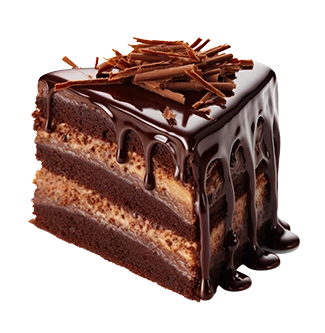
Great pastry is chemistry, not luck. How proteins in flour and hydration determine the integrity of a classic French sponge or choux pastry. Temperature control ensures aeration, while precise oven heat activates leavening. Every gram counts for balancing sugar and fat to achieve a perfect crumb. Professional bakers weigh ingredients for batch consistency.
The art of pairing
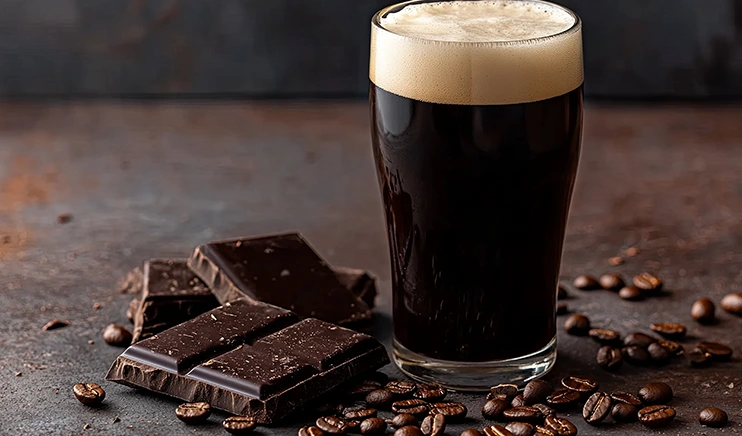
Dark roast and chocolate
Intense cacao flavors demand a beverage with substantial body. A short extraction with caramel undertones complements a dense chocolate truffle cake, cleansing the palate and highlighting its rich bitterness.
Light roast and fruit
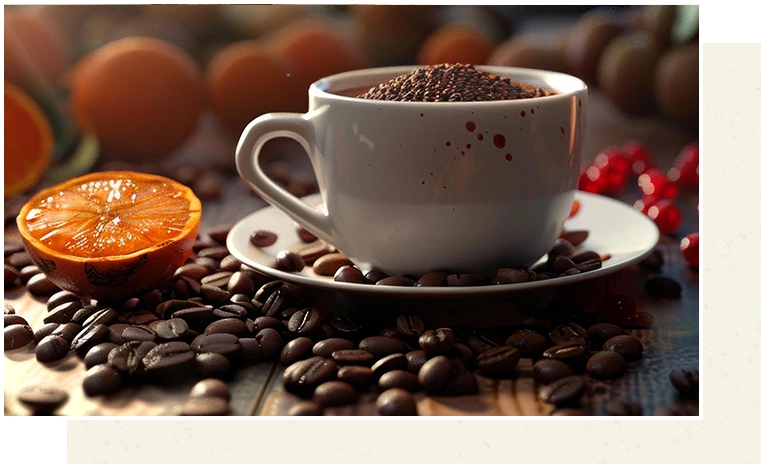
Citrus notes in Ethiopian beans mirror the acidity in lemon tarts or berry pavlovas. This bright combination lifts heavy pastry cream, creating a refreshing finish emphasizing fresh ingredients.
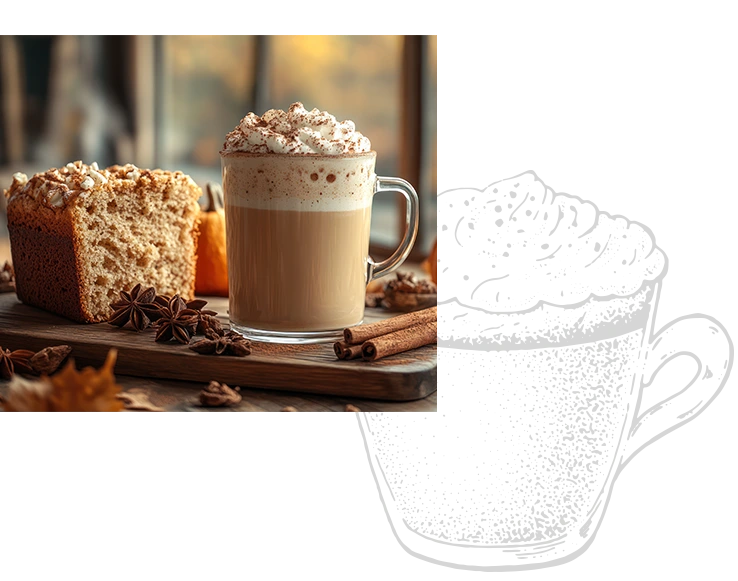
Milk coffee and spices
The velvet texture of steamed milk envelops the warmth of cinnamon and nutmeg. Pairing a classic latte with spiced carrot cake or gingerbread merges them into a creamy, comforting flavor experience.
Easy recipes for healthy and delicious desserts
Pleasure and balance are possible. By choosing natural ingredients like whole-wheat flours, fruits, and sugar alternatives, our step-by-step baking guides create light desserts. Techniques like using fruit purées to replace fat or high-cacao dark chocolate maintain flavor while reducing calories. Baking tutorials can transform desserts into a gourmet experience for health-conscious foodies.
Essential raw materials

Vanilla and aromatics
Vanilla pods sourced from tropical climates give depth to custards, while natural extracts enhance the aroma of baked sponges and cakes.

Dairy and fats
High-fat content butter guarantees flakey croissants, while heavy cream ensures stable peaks for professional decorative piping.

Flour and grains
Protein levels in flour determine texture, from the chewiness of bread to the tenderness of delicate French pastries.

Sugar and sweeteners
Beyond sweetness, sugar aids in browning, moisture retention, and aeration during the creaming process of cake batters.
Crafting the perfect setting for taste and aroma
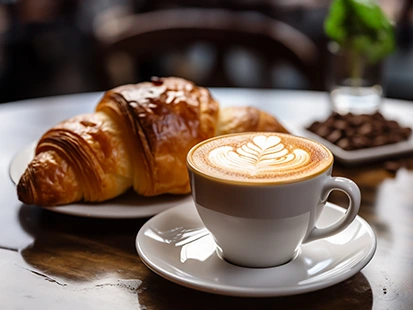
Visual plating aesthetics
The first impression is visual. Plate arrangement guides the eye, using negative space and color contrast to highlight dessert textures, a key part of modern food presentation.
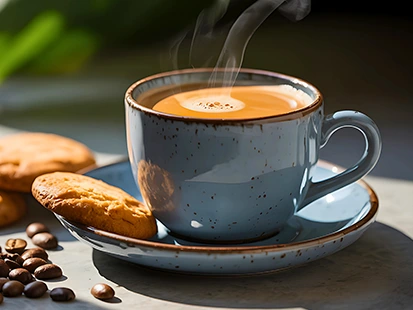
The vessel choice
Cup shape influences the coffee’s olfactory experience. A wide rim disperses aromas, while thick porcelain coffee cups retain heat, ensuring optimal temperature during the tasting ritual.
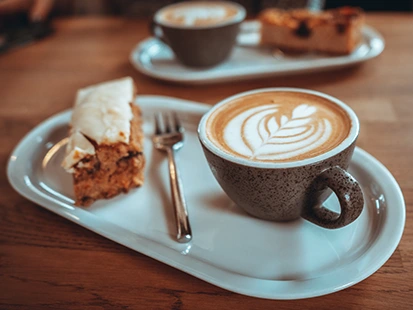
Ambient dining atmosphere
Cafe design, lighting, and layout contribute to enjoyment. A well-set table with polished cutlery invites guests to slow down and appreciate the culinary craftsmanship behind the menu.